

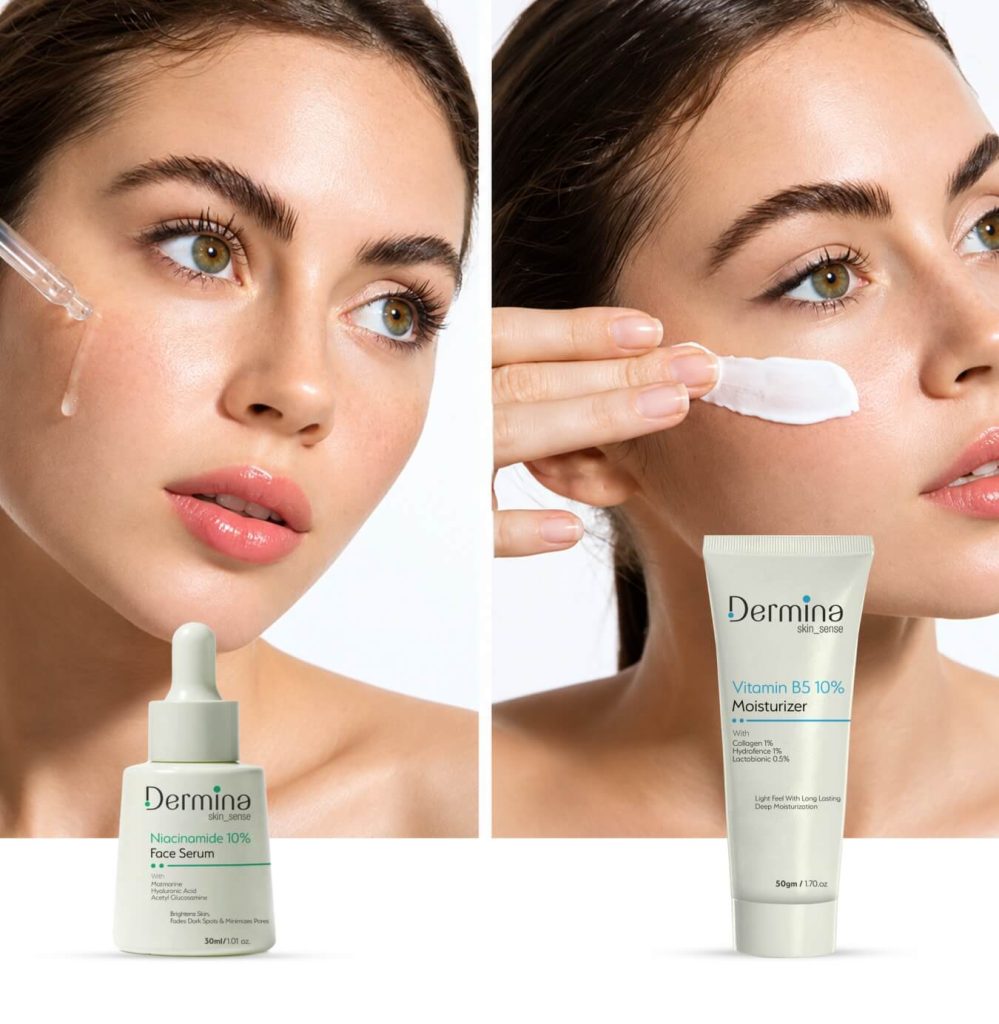
Face serum vs. face cream. Two different bottles, both for your face, often the same price. So which does what? They don’t do the same job. They don’t even feel the same. Our inbox is full of one question, over and over: “Do I really need to buy both?” Fair question.
Quick Difference Between Face Serum and Face Cream
First, the serum. Thin, nearly runny. Loaded with one active, maybe vitamin C, niacinamide, or hyaluronic acid, and you buy it for a single problem. Dull skin. Dark spots. Acne. Fine lines. Then the cream. Thick, usually in a jar. It’s there for moisture, to soften things and keep water from leaking out. Serums treat, creams protect. Use both, and you’re covered: serum on first, cream over it.
What Is a Face Serum?
Tip a serum bottle, and it runs. Almost like water. Filled with lots of active ingredient in very little liquid, and since it’s that thin, serums absorb quickly. Thirty seconds of patting and it’s gone, no sticky layer left on your face.
Each serum is usually made to deal with one main thing, like
- A dull, tired look or patchy tone
- Breakouts and big pores
- Dark spots and pigmentation
- Fine lines and skin that’s lost some bounce
- Tightness, that “my face is shrinking” feeling after a wash
Check the back of any serum. Vitamin C, niacinamide, hyaluronic acid, retinol, peptides. One of these will be there, almost always.
What Is a Face Cream?
Cream. Moisturiser. We use any word for the same thing. Between your fingers it’s thicker than a serum, almost buttery, you’ll notice straight away. It’s water plus oils plus stuff that grabs moisture. No deep work here. It stays up top, fills in the rough bits and leaves a thin coat.
That coat matters. Without it, water keeps evaporating off your face. With it, that slows right down, which is reducing moisture loss in plain words. Think 4 pm, office AC, and your face still doesn’t feel tight. Check the label for ceramides, glycerin, shea butter, squalane, or plant oils.
Face Serum vs Face Cream: Key Differences
| Feature | Face Serum | Face Cream |
| Main purpose | Treats specific concerns | Hydrates and protects the skin barrier |
| Texture | Thin, light, watery, or gel | Thick, rich, creamy |
| Absorption | Absorbs quickly, goes deeper | Stays mostly on the surface |
| Active ingredients | High concentration | Lower concentration |
| Hydration | Some, depending on formula | High, and locks moisture in |
| Best for | Acne, pigmentation, dullness, ageing | Dryness, sensitivity, barrier repair |
| Order in routine | After cleansing, before cream | After serum, before sunscreen |
If you’ve been googling “serum vs cream,” hoping for a clear winner, there isn’t one. You need different things from each.
Facial Serum Benefits
Why do serums work so well? Mostly, they’re strong. That’s where most of their skincare benefits come from. Three drops can be more active than a whole scoop of an ordinary cream.
- It goes after one problem. Got dark spots? Get a serum for dark spots. Simple.
- It feels like nothing. Oily and combination skin usually loves how light it is.
- It sinks in fast. Thin formulas absorb quickly, so your makeup goes on a minute later without pilling.
- It changes skin over time. Vitamin C for brightness. Niacinamide for oil. Retinol slows visible aging, reduces fine lines, and smooths texture.
- It can hydrate, too. Hydrating serums with hyaluronic acid pull water into the skin. Tight cheeks by lunchtime? These are really beneficial for dry skin.
Discover the top benefits of vitamin C serum and how to use it to brighten your skin, improve uneven skin tone, and achieve a healthy, radiant glow.
Face Cream Benefits
Serums get all the hype. Creams quietly do the work your skin can’t live without.
- It holds on to water. Your own moisture stays put, so you’re reducing moisture loss from morning till night.
- It calms dry patches. Those flaky bits near the nose and chin? A rich cream softens them and eases the dryness.
- It guards the barrier. Ceramides and fatty acids give long-term barrier protection. Dust, traffic fumes, and harsh face washes—it takes the hit.
- It’s gentle. If your skin reacts to everything, a plain, fragrance-free cream is usually the safest bet.
- It helps your serum. It sits on top and keeps the serum where it should be, working.
Got oily skin? You still need moisture. Lightweight creams and gel creams give you that without the shine.
Using strong actives? A good moisturizer on top acts as a buffer and usually settles stinging or flaking in a few days.
Which One Does Your Skin Need?
It depends on your skin and what’s bothering you.
Choose a serum if:
- There’s one thing you really want to fix, like spots, pigmentation, or dullness
- Your skin gets oily, and thick products feel suffocating
- You already have a moisturizer and want to see results sooner
Choose a cream if:
- Dryness, tightness, or flaking is your biggest complaint
- Your skin turns red or itchy easily
- You’d rather keep things simple and focus on comfort
Use both if:
- You want visible results and well-hydrated skin
- Your T-zone is oily, but your cheeks feel dry
- You’re starting to notice early lines
If you want our honest skincare advice, stop thinking of it as either/or. For most faces we see, it’s a serum and cream together. Not one or the other.
Can You Use Serum and Cream Together?
Yes! We’d say that’s the whole point of having both. Spots, dullness, and uneven tone—the serum deals with those. The cream stops your face from feeling dry and pulled after all those actives.
The order (yes, it matters):
- Cleanse. Any gentle face wash works. Pat dry; don’t rub.
- Apply serum. Two or three drops. Press them into your face and neck; don’t drag.
- Wait a minute. Brush your hair in the meanwhile.
- Apply cream over it. Now the serum’s sealed in.
- Add sunscreen, mornings only.
Easy rule: thin before thick. Cream first, and the serum can’t get through. You’ve basically wasted it.
A Simple Morning and Night Routine
In the morning, think defense. Face wash. Vitamin C or niacinamide serum. A lightweight cream. Sunscreen lasts. That’s four steps. Takes us less than five minutes, even on rushed days.
Night is different. This is when skin does its repair work, so we save the stronger serums for bedtime. Get all the sunscreen and grime off first. Retinol goes on next, or a hydrating serum on nights your face feels tight. Then a cream, a bit heavier than the morning one.
Kochi in May? A gel cream at night is probably plenty. Delhi in December, or a bedroom where the AC runs all night, needs something thicker. Your skin shifts with the weather. Let your cream shift with it.
Best Serums to Pair With a Cream
These four come up most in our customer chats, and all work well with a moisturizer.
Hyaluronic Acid Serums
Hyaluronic acid serums hold water. A lot of it, a bit like a sponge, so skin looks plumper within minutes. Of all the hydrating serums out there, these are a top pick for tight skin. Apply on slightly damp skin, then go straight in with cream.
Niacinamide Serums
Niacinamide serums do a bit of everything. Shiny forehead, open pores, red patches, patchy tone. It’s one of the few actives most people can use twice a day, and it sits nicely under lightweight creams if you’re breakout-prone.
Vitamin C Serums
A vitamin C serum is for mornings when your skin looks flat. Give it a few weeks and dark spots start to lighten. It also adds antioxidant cover against sun and pollution. Layer cream and sunscreen over it.
Retinol Serums
Retinol serums make your skin turn over faster. Stick with it, and the texture smooths out, and the lines soften. The catch? It dries you out, so a nourishing cream after is non-negotiable. Nights only. Two or three a week to start.
Putting together your own routine? We make one of each: Dermina’s Hyaluronic Acid 2% Serum, Niacinamide 10% Serum, Vitamin C 15% Serum, and Retinol 0.1% Face Serum.
Common Mistakes to Avoid
- Stopping at serum. Dry skin, especially. Without a cream on top, the water you just added escapes again. Add a cream.
- Getting the order wrong. Cream first blocks the serum. Serum on the first. Every time.
- Piling on serums. Two is enough. Five is asking for irritation.
- Using way too much. Three drops of serum, a pea of cream. That covers the whole face.
- Skipping sunscreen. Neither product protects you from UV. Wear SPF every morning, even on cloudy days.
The Bottom Line
So, face serum vs face cream? It was never really a fight. One fixes the thing that bugs you. The other keeps skin soft, hydrated, and safe.
Oily skin? Serum, then a lightweight cream, done. Dry skin? Hydrating serum, richer cream. Combination? Mix it up: a lighter cream on the T-zone and a heavier one on the cheeks.
Don’t buy five things at once. One skincare serum for your biggest worry, one cream that suits your skin. Then wait four to six weeks before you decide if it’s working. And whatever you choose, finish every morning with sunscreen.
If you’re not sure where to begin, Dermina Intelligent Skincare has serums for glow, hydration, oil control, and fine lines, all made to layer easily under your moisturizer.
FAQs
What is the difference between face serum and face cream?
A serum is a light, concentrated treatment for one concern. A cream is a thicker moisturiser that hydrates and protects the skin barrier.
Which is better, serum or cream?
Neither. Serum fixes things like acne or dark spots. Cream keeps your skin soft and protected. Different jobs.
Should I apply serum before or after cream?
Before. Serum goes on, cream follows. Never the other way.
Can I use serum without cream?
Oily skin with a hydrating serum can sometimes skip the cream. Dry skin can’t. And honestly, most people do better with one on top.
Is serum or cream better for dry skin?
Use both. Hyaluronic acid serum for water, a cream to lock it in. For dryness, we haven’t found a better pair.
Can I use a face serum every day?
Yes, most serums are fine daily. With retinol, start at two or three nights a week.