

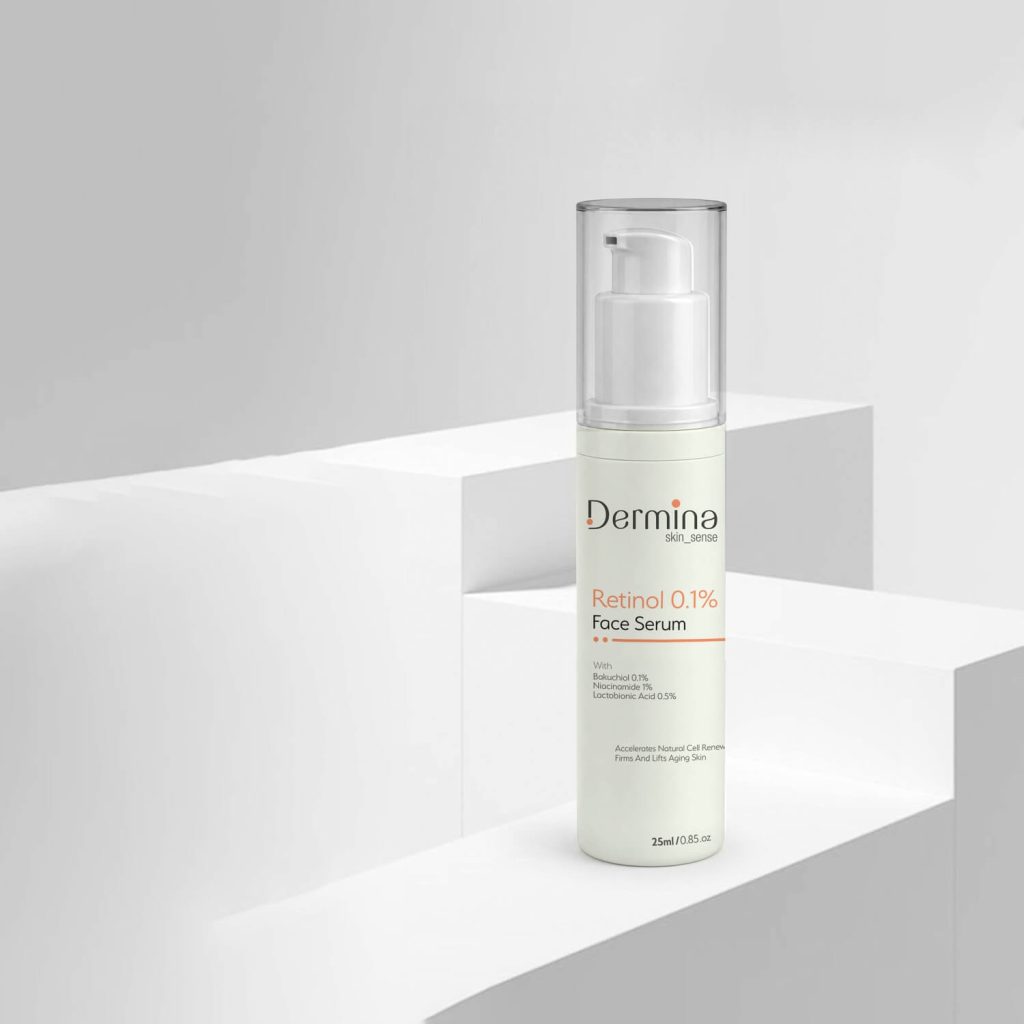
Acne’s frustrating enough by itself. But it’s really the aftermath the dark marks, the rough patches, the occasional scar that sticks around and keeps bothering people long after the actual pimple is gone. That’s why ingredients built for clearer skin keep finding their way into so many routines.
Retinol is one name that comes up again and again in this conversation.
So, real talk does retinol serum for acne actually do anything? Can it cut down on breakouts? What about those dark spots that hang around after a pimple’s long gone? And can it touch actual scarring?
Retinol’s part of the vitamin A family, and it shows up constantly in skincare built around texture, pigmentation, and ageing. Retinoids as a whole are well established in acne treatment too, mostly because they stop pores from clogging in the first place.
Here’s the part people miss, though: retinol and prescription retinoids aren’t the same thing, not really, and acne marks are a totally different issue from permanent acne scars. Get that distinction right and building a routine that fits what you’re actually dealing with gets a lot easier.
What Is Retinol?
Retinol is a vitamin A derivative, of retinoid family. You’ll find it in most over-the-counter serums and creams without much digging.
Once it’s on your skin, it gets converted into active forms of vitamin A. That conversion is what drives cell turnover and pushes along the processes tied to collagen and renewal.
Because of that, retinol tends to end up in routines aimed at:
- Fine lines and wrinkles
- Uneven skin texture
- Dull, tired-looking skin
- Uneven pigmentation
- Blemish-prone skin
- Post-acne dark marks
Which means a retinol serum for face isn’t just something for anti-ageing shelves it does a lot more than that.
Still, don’t treat it like a gentle filler ingredient. It’s active, and going too heavy or too fast can leave you with dryness, peeling, redness, and irritation—basically the whole unpleasant checklist. Slower almost always wins here.
What’s the Difference Between Retinol and Retinoids?
Retinol and retinoids are of the same family
Retinoids are the broader umbrella; every vitamin A skincare ingredient sits under it somewhere. That covers prescription options like tretinoin, tazarotene, and trifarotene, plus adapalene, which is available without a prescription in some places. Retinol’s just one branch of that family, and it’s the one sitting on regular store shelves.
For acne specifically, dermatologists reach for topical retinoids because they genuinely unclog pores and go after blackheads, whiteheads, and certain pimples head-on. They can fade dark spots left behind after a breakout too.
Cosmetic retinol works more indirectly; your skin has to do the work of converting it first. That’s basically why it stays in the cosmetic-skincare lane instead of replacing prescription acne treatment outright.
Dealing with persistent, painful, or severe acne? Skip the guesswork and see a dermatologist instead of leaning on an over-the-counter serum alone.
How Retinol Helps With Acne
Back to the real question , does retinol serum for acne genuinely help?
It can, mostly by keeping cell turnover moving the way it should. That helps stop dead skin cells from stacking up and blocking your pores in the first place.
And clogged pores are honestly where most acne starts. Oil and dead cells get trapped, and that’s the setup for blackheads, whiteheads, and everything else.
Medical-strength retinoids used for acne work partly through keeping pores clear. The American Academy of Dermatology backs topical retinoids as part of evidence-based acne treatment, largely because they unclog pores and settle down inflammation.
Cosmetic retinol just works slower. Stick with it and texture usually smooths out, skin looks clearer, but exactly how much depends on the formula, its strength, your skin type, and how severe the acne already is.
Retinol may help with:
- Clogged pores
- Blackheads and whiteheads
- Uneven skin texture
- Occasional breakouts
- Post-acne dark spots
- Overall skin renewal
Worth flagging, though not every type of acne reacts the same way. Deep, painful, cystic, or persistent acne generally calls for a professional’s opinion and prescription treatment, not a serum sitting on your bathroom shelf.
How Retinol Helps With Acne Marks and Scars
This is where most people get tripped up acne marks and acne scars get lumped together constantly, and they’re not the same thing.
A dark or brownish spot left after a pimple heals up is usually post-inflammatory hyperpigmentation, not a real scar. Those marks fade on their own eventually, and retinoid ingredients can speed things along by supporting cell turnover.
Actual scars are a different animal entirely.
Acne marks are essentially a shift in skin color after inflammation settles. They can look:
- Brown
- Darker than the skin around them
- Red or pink, depending on your tone
- Blotchy or uneven
A consistent routine usually helps these fade over the following weeks and months.
Acne scars, on the other hand, involve an actual change in skin structure. Think:
- Depressed or sunken spots
- Ice-pick scars
- Rolling scars
- Raised scars
A topical retinoid might soften mild scarring somewhat, but deeper, more established scars usually need something with more punch. The American Academy of Dermatology notes that treatment really comes down to scar type and severity, and could involve laser treatment, microneedling, fillers, or similar in-office procedures.
So retinol serum for acne scars can absolutely be part of a routine just don’t expect it to erase deep or permanent scarring on its own. It won’t.
Can Retinol Prevent New Acne Marks?
One genuinely useful thing retinoid skincare does is simply cut down how much acne shows up to begin with.
Fewer breakouts, fewer chances for inflammation to leave marks behind. Pretty straightforward cause and effect.
Leaving pimples alone matters here too no squeezing, no picking. That stuff ramps up inflammation and bumps up your risk of scarring by a lot.
A steady routine that manages breakouts, protects your skin barrier, and includes daily sun protection does a lot of the heavy lifting when it comes to keeping post-acne discoloration under control.
How to Use Retinol Serum for Acne
Brand new to retinol? Don’t jump straight to every night. That’s basically asking for irritation.
Ease into it, step by step.
Step 1: Cleanse. Gentle cleanser to get rid of dirt, oil, makeup, and sunscreen. Skip the harsh scrubbing irritated skin just makes everything after this step harder to stick with.
Step 2: Let your skin dry. Beginners usually find dry skin more comfortable to apply retinol to than skin fresh out of the sink.
Step 3: Apply a small amount. A pea-sized dab covers the whole face, unless your product tells you otherwise. Spread thin instead of piling a thick layer directly onto individual pimples.
Step 4: Moisturize. Something gentle right after cuts down dryness and keeps your barrier from taking a hit.
Step 5: Sunscreen, every morning, no shortcuts. This one matters a ton when post-acne marks are the goal UV exposure just makes pigmentation more obvious and fights against everything else you’re trying to do.
Tips for Getting the Best Results
Doing it right beats doing more of it. A few things worth keeping in mind:
1. Start slow. Two nights a week to begin, then add more gradually if your skin’s coping fine.
2. Skip the extra product. A pea-sized amount genuinely does the job. More isn’t a shortcut to faster results it’s just more product for your skin to deal with.
3. Keep it simple. Don’t introduce several new actives alongside retinol at once. It’s the only real way to figure out what’s actually working.
4. Moisture first, always. Skin getting excessively dry or irritated? Pull back the frequency and lean on gentle, hydrating products for a while.
5. Sunscreen, every morning, full stop. Broad-spectrum SPF needs to be part of your daily routine, especially while working on pigmentation and post-acne marks.
6. Hands off your acne. Squeezing and picking just raises inflammation and your odds of ending up with a scar.
7. Patience, genuinely. Retinol won’t fix acne overnight. Give it real time and resist the urge to speed things up by using more.
Can You Combine Retinol With Other Acne Ingredients?
Sure, retinol can sit inside a bigger acne routine, but combining several active ingredients takes some care.
Salicylic acid, benzoyl peroxide, and retinoids all show up commonly in acne routines, and dermatologists often mix treatments since each one tackles something different.
That said, stacking multiple strong actives without thinking about your skin’s tolerance is a quick route to dryness and irritation.
Just starting out with retinol? Keep things basic:
Morning: Cleanser → Moisturizer → Sunscreen
Retinol night: Cleanser → Retinol Serum → Moisturizer
Non-retinol night: Cleanser → Hydrating Serum → Moisturizer
Once your skin’s settled in, talk to a dermatologist about layering in other acne-focused ingredients, or bring them in slowly yourself, going by their instructions.
Explore More Retinol Skincare Tips
Want the bigger picture on retinol? Dermina’s guide, 5 Ways to Transform Your Skin with Retinol Serum, gets into skin renewal, hyperpigmentation, pore care, acne, and practical tips for working it into your routine.
Putting together a targeted routine of your own? Take a look at Dermina serums and pick whatever actually matches your specific skin concerns.
Frequently Asked Questions About Retinol Serum for Acne
1. Is retinol serum good for acne?
It can be, mainly through keeping skin-cell turnover steady and cutting down on the buildup that clogs pores. That said, established acne treatments usually lean on specific topical retinoids like adapalene or prescription versions.
2. Can retinol remove acne marks?
Given time, yes , it can help post-acne dark marks fade by supporting renewal. Daily sun protection matters every bit as much here.
3. Can retinol remove acne scars?
It might soften mild scarring a little, but it won’t fully erase deeper structural scars. Depressed or significant scarring is usually a job for professional treatment.
4. Is retinol or retinoid better for acne?
They’re related, sure, but not interchangeable. Specific topical retinoids adapalene, prescription options are the established acne treatments. What actually works best depends on the type and severity of your acne, which is worth discussing with a dermatologist if it’s ongoing.
5. How often should I use retinol for acne?
Start slow, two nights a week, and only increase as your skin tolerates it. Follow whatever your particular product recommends.
6. Can I use retinol on active pimples?
You can, as part of your overall routine, but skip dabbing heavy amounts straight onto individual pimples. Stick with the product instructions and don’t overdo it.
7. Can retinol make acne worse at first?
Some people notice dryness, peeling, redness, or irritation when they first start. If it’s significant or won’t settle, ease off and consider a dermatologist’s input.
8. Is retinol suitable for every skin type?
Not always. Very sensitive, irritated, or inflamed skin might need a gentler approach altogether. Going slow and supporting your barrier helps, but professional guidance is worth it if concerns stick around.
Final Thoughts
Retinol serum for acne genuinely earns a spot in a lot of routines, especially when clearer-looking skin, smoother texture, and a more even tone are the goal. Its role in acne care mostly comes down to skin-cell turnover and pore care, while its help with post-acne marks comes from supporting renewal along the way.
Just keep the distinction straight: acne marks and true acne scars aren’t the same thing, not even close. Dark marks usually fade with consistent skincare, while deeper structural scars call for professional treatment more often than not.
Start slowly, use a small amount, moisturize, protect your skin from the sun, and give it genuine time to work.
For a broader approach, take a look at Dermina skincare and choose products around what your skin actually needs. A well-rounded routine almost always beats leaning on one single ingredient to do everything.