

Short answer? Vitamin C, niacinamide, alpha arbutin, azelaic acid, tranexamic acid and retinol. Ask any skin doctor and these six come up. Pretty much all the best serums for pigmentation and dark spots use at least one of them. They all go after marks, just from different angles. Vitamin C for glow. Niacinamide to keep pigment from travelling. Arbutin and azelaic acid to turn melanin down. Tranexamic acid for those stubborn patches, and retinol to clear out old, stained skin quicker.
Six is overkill, honestly. You need the right one or two, used every day, with sunscreen in the morning.
We get it, though. Few skin problems annoy us more. The pimple’s gone in seven days, but its souvenir hangs around till next season. Add Indian sun, a few skipped SPF days, and suddenly your skin tone looks patchy in every photo.
So let’s sort it out. First up, the best ingredients for pigmentation. After that, we’ll help you find the best serum for pigmentation for your skin, and how to use it without wasting a drop.
What Causes Pigmentation and Dark Spots?
Melanin? That’s what gives you your skin colour. A pimple, a sunburn, even a scratch can send your pigment cells a bit crazy, and they dump melanin in one spot. That patch is a dark spot.
In India, it’s usually one of these three culprits:
- Acne marks (PIH): The pimple’s healed, but a brown shadow sits where it used to be. Doctors call it post-inflammatory hyperpigmentation. On medium and deeper skin tones, these marks are darker and stay longer. Research says up to 65% of acne-prone people with brown skin deal with it.
- Sun damage: The more sun you get, the more melanin your skin makes. Years with no sunscreen? Then come the freckles, the sun spots, and that dull, patchy face in every selfie.
- Melasma: Brownish patches, kind of like a map, on the cheeks, forehead or upper lip. It’s hormonal, which is why lots of women spot it first in pregnancy or after starting the pill. Summer heat? Makes it worse.
Rubbing, popping pimples and rough scrubs leave their own marks too.
Quick warning. Patches spreading fast? Or showing up with fatigue, irregular periods or other changes? Get to a dermatologist. Conditions like PCOS can be behind it, and no serum will sort that out.
Best Serums for Pigmentation and Dark Spots
We’ve narrowed it down to six ingredients with real research behind them. Match one to your type of spot and your skin’s mood.
1. Vitamin C Serum: Best Serum for Dark Spots on Face
Dull skin and sun spots bugging you most? Begin with this one. Vitamin C protects your skin from sun damage, a bit like an umbrella on the inside. It also blocks tyrosinase, the enzyme that makes melanin. Stick with it, and you’ll notice fewer new spots and a brighter, more even glow.
Look for 10% to 20% in a vitamin C serum for dark spots. Our Vitamin C 15% serum lands right in the middle. Effective, but mild enough for every day.
- Best for: Tan, sun spots, a tired-looking face
- Use: Morning, under sunscreen. Some people prefer it at night, read our guide on Vitamin C serum at night to see which works for you
2. Niacinamide Serum: For Acne Marks and Uneven Tone
Niacinamide (vitamin B3) takes another route. It doesn’t stop melanin being made. Instead, it stops pigment moving from the cells that make it to the skin cells around them. Early research found this effect at concentrations as low as 2%.
That’s why a niacinamide serum for pigmentation is great for fresh acne marks. It also controls oil and calms redness, so it’s a double win for oily, breakout-prone skin. Our Niacinamide 10% Serum adds centella and hyaluronic acid to the mix.
- Best for: Greasy skin, acne marks, open pores
- Use: Morning and night
3. Alpha Arbutin Serum: Gentle Fading for Stubborn Spots
Alpha arbutin is a bearberry extract, and it slows tyrosinase down. It’s far kinder to skin than the old-school lighteners, and most people use it without any trouble. A 1–2% strength is what you want.
Team it with vitamin C, and even the most stubborn spots start to budge.
- Best for: Stubborn spots, sensitive skin
- Use: Twice a day, before moisturiser
4. Azelaic Acid Serum: For Dark Spots and Acne Together
Still getting pimples? Then azelaic acid is worth a look. It goes after acne bacteria, cools inflammation down and cuts melanin production. Three jobs in one bottle. Plenty of people with rosacea can use it too.
Looking for a serum for dark spots and acne marks that treats the pimples too? Here you go. Most over-the-counter versions come in at about 10%.
- Best for: Active acne with marks, redness
- Use: Once or twice daily. A slight sting early on is normal, and it fades
5. Tranexamic Acid Serum: For Melasma and Patchy Pigmentation
Tranexamic acid works on inflammation and the small blood vessels under pigmented skin. That’s why so many melasma studies use it. Those hormonal patches rarely budge for anything else.
Think of it as a teammate for niacinamide or arbutin, not a swap. 2–5% is the sweet spot.
- Best for: Melasma, stubborn patches, serum for hyperpigmentation that’s hormonal
- Use: Twice daily
6. Retinol Serum: Speeds Up Fading
Retinol tells your skin to shed and renew faster. Out go the older, stained cells, and fresh ones come up. You also get smoother texture, fewer fine lines and less clogging.
New to retinol? Our Retinol serum for active acne at 0.1% is an easy first step. Go slow. Two or three nights a week in the beginning, and SPF the day after. Always.
- Best for: Those old marks that never fully left, uneven texture, skin that keeps breaking out
- Use: Night only
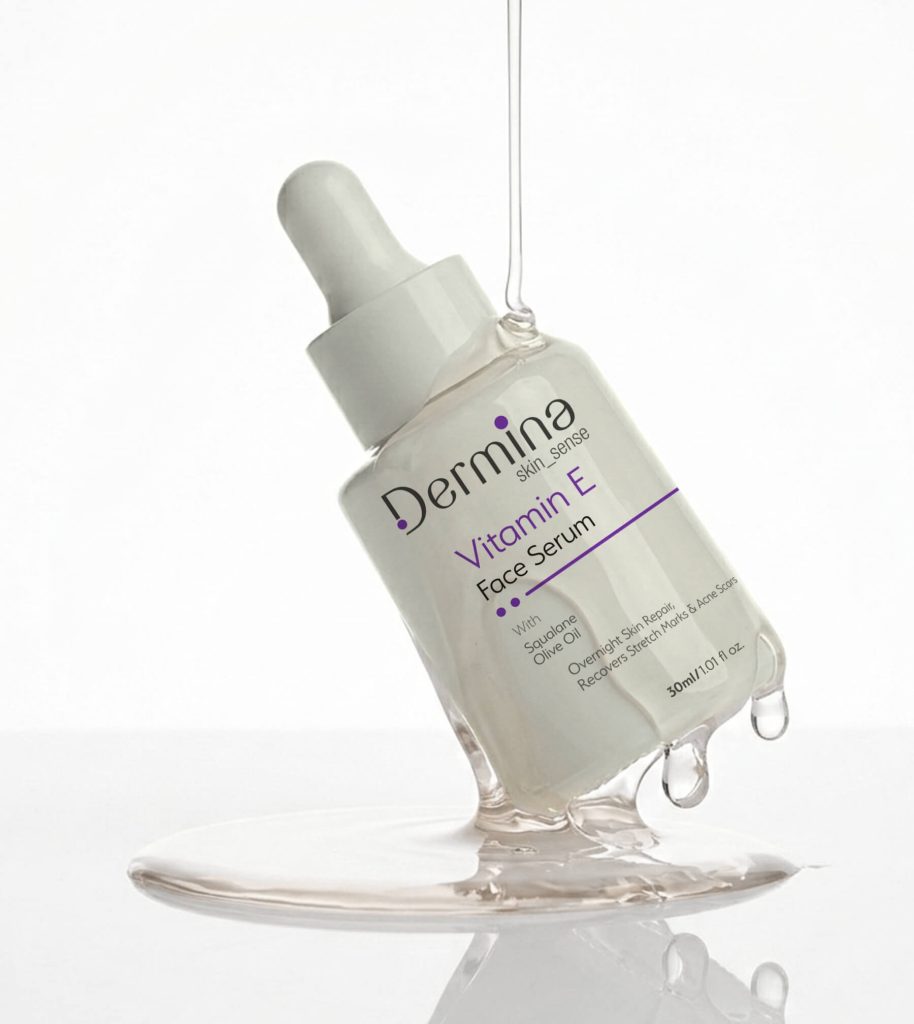
A note on hydration: Most spot-fading ingredients dry skin out a little. We fix that with our hyaluronic acid 2% face serum or a Vitamin E face serum. Comfortable skin heals better. Simple as that.
How to Choose a Serum for Your Skin Type
So, which is the best serum for pigmentation for you? Whichever one your skin likes enough to use daily. Don’t rush. We’d take a gentle serum used every day over a strong one gathering dust in the cupboard.
- Oily or acne-prone skin: Niacinamide or azelaic acid is a good start. Your marks lighten, and breakouts calm down. Add retinol at night later on.
- Dry skin: Try vitamin C or alpha arbutin, followed by a rich cream. Want extra comfort? Pat on hyaluronic acid before anything else.
- Sensitive skin: The gentle picks are niacinamide, arbutin and azelaic acid. Wait on high-strength vitamin C and retinol until your skin is less reactive.
- Combination skin: Vitamin C in the morning, niacinamide at night. It’s an easy serum for uneven skin tone routine, and it works on oily and dry areas alike.
- Melasma-prone skin: Tranexamic acid, with niacinamide alongside. And sunscreen, without fail.
Can’t tell what kind of pigmentation you’ve got? One dermatologist visit can clear that up. Much cheaper than three wrong serums.
How to Use Serums for Dark Spots
You can own the best serum for dark spots on face and still see nothing if the routine’s off. So here’s ours:
Morning
- Splash with a mild face wash. Pat, don’t rub.
- Take 3–4 drops of vitamin C or niacinamide and smooth it over your whole face, marks and all.
- Next, a light moisturiser. Just a little.
- Then sunscreen, broad-spectrum, at least SPF 30. This step matters most.
Night
- Take off makeup, then wash your face.
- Your night active goes on now. That’s retinol, azelaic acid, arbutin or tranexamic acid, depending on your pick.
- Finish with moisturiser so it all stays put.
What we’ve learned the hard way:
- One new product at a time, please. Wait two weeks before adding another.
- Try it on a small patch near your jaw for 48 hours first.
- Retinol and strong acids on the same night? Not a good idea.
- Spending the day outside? Top up sunscreen every couple of hours.
How Long Do Serums Take to Work?
Honestly? Longer than you’d like. Give any serum 8 to 12 weeks of daily use before you decide if it’s working.
New acne marks usually go first, sometimes in four to eight weeks. Sun spots you’ve had for years? They’re slower. Melasma and deep pigment are the toughest, and some need a dermatologist’s help to clear at all.
Our tip: snap a selfie by the same window every fortnight. You won’t notice the change day to day, but side-by-side photos don’t lie.
Common Mistakes to Avoid
- Skipping sunscreen: One sunny afternoon can undo a week of serum. No SPF, no progress.
- Using too many actives: Stacking five serums irritates skin, and irritated skin makes more pigment. Ironic, right?
- Picking at spots: Squeeze a pimple, earn a new mark. Hands off.
- Giving up too early: Fourteen days is nothing. Stick with it for eight weeks, minimum.
- Harsh scrubs: Gritty scrubs scratch the barrier, and marks take longer to heal.
Frequently Asked Questions
Which is the best serum for pigmentation and dark spots?
It depends on the type of spot. For sun spots and dullness, go with vitamin C; for acne marks, niacinamide; for melasma, tranexamic acid.
Can I use vitamin C and niacinamide together?
Yes, the two get along fine. Sensitive skin? Split them, vitamin C by day and niacinamide by night.
Is a serum enough to remove dark spots completely?
For fresh marks, often yes, as long as you use sunscreen daily. Older, deeper or hormone-related patches usually need a skin doctor as well.
Which serum is best for dark spots and acne marks?
We’d go with niacinamide or azelaic acid. Both lighten old marks while keeping new pimples in check.
Can I use pigmentation serums during pregnancy?
Skip retinol while pregnant, and ask your doctor before using tranexamic acid or anything new. Niacinamide and azelaic acid are usually seen as the safer, milder choices.
Conclusion
No serum works overnight. But the best serums for pigmentation and dark spots really do deliver when you’re consistent. Choose one active for your type of spot, use it every day, and wear SPF. Three months from now, you’ll see the difference. Find your match in the Dermina serum range.